

What is the best way to seal a modern bathroom cabinet?
Dec 05, 2025
Leave a message
Hey there! As a supplier of modern bathroom cabinets, I've seen firsthand the importance of properly sealing these cabinets. A well - sealed bathroom cabinet can last longer, look better, and keep your bathroom essentials in top - notch condition. So, let's dig into what's the best way to seal a modern bathroom cabinet.
Why Sealing is Crucial
First off, let me tell you why sealing is such a big deal. Bathrooms are humid places. With all that steam from showers and baths, moisture can seep into the cabinet materials. If your cabinet isn't sealed correctly, this moisture can cause all sorts of problems. Wood can warp, metal can rust, and the overall integrity of the cabinet can be compromised. Plus, a good seal also protects against stains and damage from spills, making your cabinet easier to clean and maintain.
Types of Modern Bathroom Cabinets
Before we get into the sealing methods, let's talk about the different types of modern bathroom cabinets out there. We've got the Modern Floating Bathroom Cabinet, which gives a sleek, contemporary look and a bit of extra floor space. Then there's the Modern Bathroom Mirror Cabinet, which combines storage with functionality, letting you check your reflection while grabbing your toothbrush. And of course, the classic Modern White Bathroom Cabinet, which can brighten up any bathroom.
Materials Used in Modern Bathroom Cabinets
Modern bathroom cabinets are made from a variety of materials, each with its own sealing requirements.
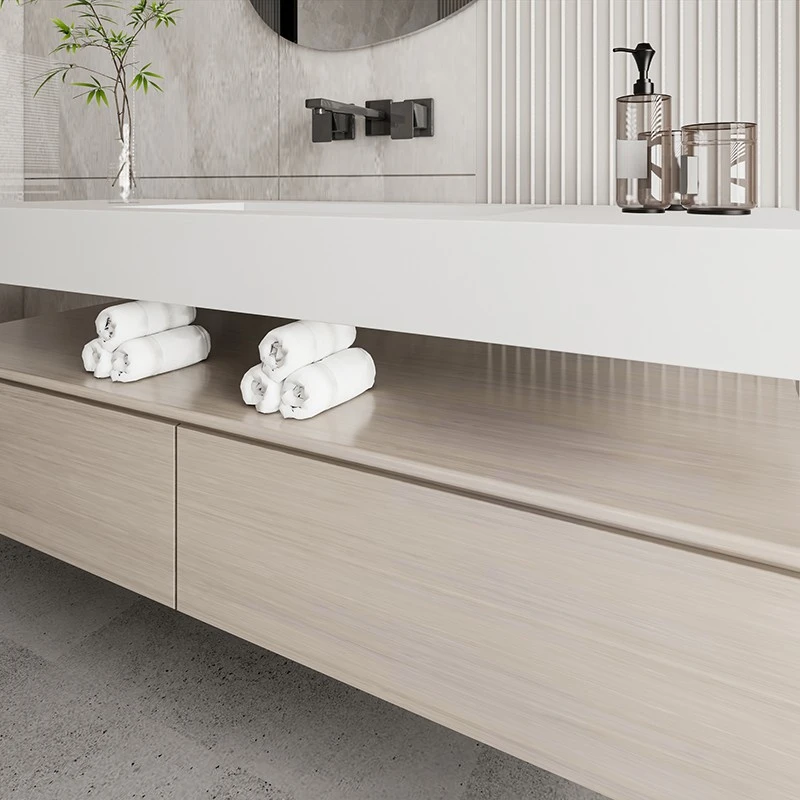

Wood
Wood is a popular choice for its natural beauty and warmth. But it's also quite vulnerable to moisture. For wooden cabinets, a good sealant is essential. You can use a clear polyurethane finish. It's durable and provides a hard, protective layer. Apply it in thin coats, sanding lightly between each coat for a smooth finish. Another option is a marine - grade varnish. It's designed to withstand harsh conditions, making it great for the humid bathroom environment.
Metal
Metal cabinets, like those made of stainless steel or aluminum, are more resistant to moisture but still need sealing. You can use a metal primer followed by a high - quality paint. The primer helps the paint adhere better and provides an extra layer of protection against rust. For stainless steel, a specialized stainless - steel sealer can be used to enhance its corrosion resistance.
Plastic
Plastic cabinets are relatively low - maintenance. However, they can still benefit from a seal. A clear acrylic sealer can be applied to protect the surface from scratches and stains. It also gives the cabinet a nice, glossy finish.
Step - by - Step Sealing Process
Preparation
Before you start sealing, you need to prepare the cabinet. Clean it thoroughly to remove any dirt, dust, or grease. Use a mild detergent and a soft cloth. Rinse well and let it dry completely. If there are any rough edges or imperfections on the surface, sand them down gently. This will ensure that the sealant adheres properly.
Applying the Sealant
- Brush or Roller: For most sealants, you can use a brush or a roller. A brush gives you more control, especially when working on small areas or edges. A roller, on the other hand, is great for larger, flat surfaces.
- Spray: Some sealants come in spray form. Spraying can be a quick and efficient way to apply the sealant, but it requires careful handling to avoid over - spraying.
Multiple Coats
Don't expect one coat of sealant to do the job. Apply at least two to three coats, allowing each coat to dry completely before applying the next. This will build up a strong, protective layer.
Edges and Joints
Pay special attention to the edges and joints of the cabinet. These are the areas where moisture is most likely to seep in. You can use a caulk specifically designed for bathrooms to seal these areas. Caulk creates a waterproof barrier and helps prevent water from getting behind the cabinet.
Tips for a Long - Lasting Seal
- Ventilation: Make sure your bathroom has proper ventilation. A good exhaust fan can help reduce humidity levels, which in turn will help the seal on your cabinet last longer.
- Regular Maintenance: Check the seal on your cabinet regularly. If you notice any signs of wear or damage, re - apply the sealant as needed.
- Avoid Harsh Cleaners: Use mild cleaners on your sealed cabinet. Harsh chemicals can damage the sealant and the cabinet itself.
Conclusion
Sealing your modern bathroom cabinet is an important step in ensuring its longevity and functionality. Whether you have a floating cabinet, a mirror cabinet, or a white cabinet, the right sealing method can make all the difference. By choosing the appropriate sealant for your cabinet's material, following the proper application process, and taking good care of the cabinet, you can enjoy a beautiful and durable bathroom cabinet for years to come.
If you're in the market for a modern bathroom cabinet or have any questions about sealing, feel free to reach out. We're here to help you make the best choice for your bathroom. Let's get your bathroom looking its best!
References
- "Bathroom Cabinet Maintenance Guide", Home Improvement Magazine
- "Sealing Materials for Different Surfaces", Construction Materials Handbook